How to Track Your Pet's Weight (And Why It Matters)
Learn why regular weigh-ins matter for your pet's health and how to track weight effectively with visual trend charts.
How to Track Your Pet's Weight (And Why It Matters)
To track your pet's weight effectively, weigh them at the same time each week, log the number in a dedicated tracker, and review the trend monthly. Small, gradual changes that are invisible day-to-day become obvious on a chart, and catching them early can make a real difference for your pet's health.
Why Regular Weigh-Ins Matter
Weight is one of the most important health indicators for pets, and one of the easiest to overlook. Here's why consistent tracking matters:
Early Disease Detection
Unexplained weight loss can be an early sign of conditions like hyperthyroidism, diabetes, kidney disease, or cancer. Unexplained weight gain can signal hypothyroidism, Cushing's disease, or simply overfeeding. A chart that shows a steady, gradual trend in either direction gives your vet a head start on diagnosis.
Diet and Nutrition Monitoring
Is that new food working? Did the diet the vet recommended actually help? Without tracking, you're guessing. With a weight chart, you can see whether dietary changes are having the desired effect.
Medication Dosing
Many pet medications are dosed by weight. If your pet's weight changes significantly, the dosage may need adjusting. Having an accurate, up-to-date weight helps your vet prescribe correctly.
Post-Surgery and Recovery
After surgery or illness, vets often want to see weight stabilize or return to normal. Regular tracking during recovery gives you both a clear picture of progress.

Vets love data. Walking into an appointment with a weight chart for the past 6 months makes you the best kind of pet parent, the prepared kind.
How to Weigh Your Pet at Home
Dogs
Most dogs can stand on a regular bathroom scale. Weigh yourself first, then hold your dog and weigh again. The difference is your dog's weight. For large dogs, many vet offices and pet stores have walk-on scales you can use for free.
Cats
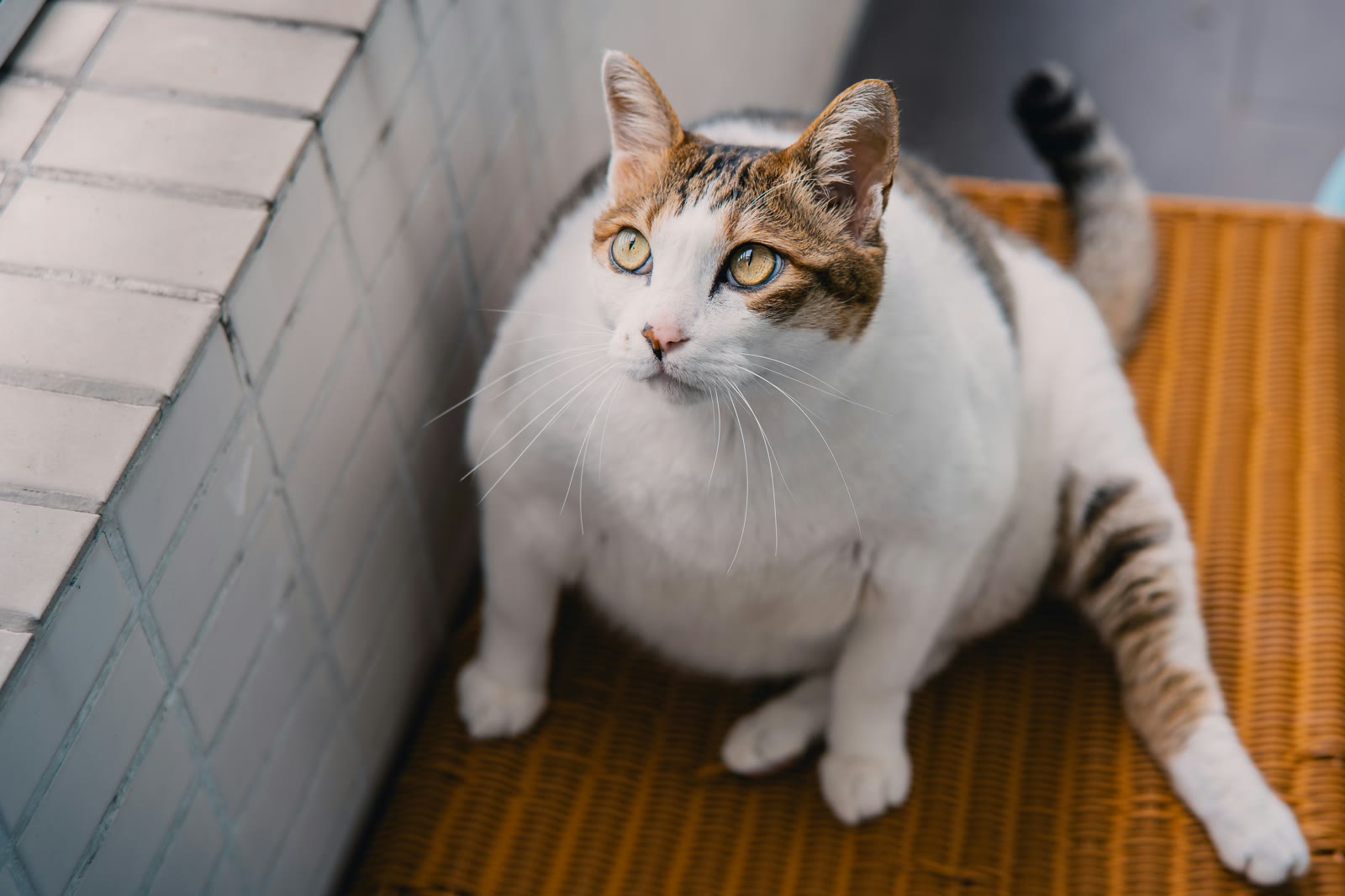
Use a kitchen scale or baby scale for smaller cats. For larger cats, the hold-and-weigh method works too. Some cats will sit still on a scale if you put a towel on it.
When to Weigh
Pick a consistent time, ideally the same day each week, at the same time of day (before feeding is best). Consistency matters more than precision.
Tracking Weight in MoaTails
MoaTails makes weight tracking dead simple:
Set Up a Recurring Weight Event
Create a new Weight event in your calendar
Set it to recur weekly (e.g., every Sunday morning)
MoaTails will remind you each week
Log the Weight
When you weigh your pet, open the Weight event and mark it complete. Enter the actual weight value. This number is recorded and added to your pet's weight chart.
Read the Trend
MoaTails displays weight data as a sparkline chart, a clean, simple trend line that shows your pet's weight over time. At a glance, you can see:
Stable weight: A flat line, the goal for most healthy pets
Gradual increase: Might be normal for a growing puppy, but worth watching for adults
Gradual decrease: Could be intentional (diet) or a sign to investigate
Sudden changes: Spikes or drops worth discussing with your vet
Use the time filter to zoom in on recent weeks or zoom out to see the long-term picture.

The difference between a "normal fluctuation" and a "concerning trend" is often just time. A pound up or down week-to-week is normal. A pound up or down every week for two months is a pattern. The chart makes this distinction crystal clear.
What Weight Changes Might Mean
This isn't medical advice, always consult your vet. But here are common patterns to be aware of:
Gradual weight gain in adults:
Overfeeding or too many treats
Reduced activity (especially in older pets)
Hypothyroidism or other metabolic conditions
Gradual weight loss in adults:
Dental problems making eating painful
Hyperthyroidism (very common in older cats)
Diabetes, kidney disease, or other conditions
Inadequate nutrition
Rapid weight change:
Fluid retention or loss
Illness requiring prompt vet attention
Sharing Weight Data with Your Vet
If your vet is on your MoaTails care team, they can see your pet's weight chart directly. Otherwise, pull it up on your phone during the appointment.
You can also attach lab results or vet notes to Weight events using document storage, creating a direct link between the numbers and the context.
Building the Habit
The hardest part of weight tracking is consistency. Here are tips to make it stick:
Let the app remind you: Set up the recurring event and let notifications do the work
Pair it with a routine: Weigh your pet right before their Sunday breakfast
Make it fast: Weighing takes 30 seconds. Logging takes 5. It's less effort than making coffee.
Share the responsibility: If your partner is home on weigh-in day, they can do it and log it through the shared calendar
Frequently Asked Questions
How often should I weigh my pet? Weekly is ideal for most pets. For senior pets, pets on a diet, or pets recovering from illness, your vet may recommend more frequent weigh-ins.
My pet won't hold still on the scale. Any tips? Use the hold-and-weigh method (weigh yourself, then hold your pet and weigh again). For cats, try a kitchen scale with a towel or small box on top.
What's a "normal" weight fluctuation? For most dogs and cats, day-to-day variation of 1-2% of body weight is normal. It's the trend over weeks and months that matters, which is exactly what the chart shows you.
Can I track weight in kilograms or pounds? Yes! MoaTails supports both metric and imperial units. Set your preference in Settings.
Keep Reading
Related articles
Dog Dental Care: The Most-Skipped Thing in Pet Health
Most adult dogs have some dental disease and most owners can't tell. The honest hierarchy of what works (brushing, chews, cleanings) and the cost of skipping it.
Free-Feeding vs Scheduled Meals: What Each Actually Does to Training, Weight, and Your Day
The always-full bowl versus set mealtimes: honest pros and cons for dogs and cats, what vets see in each camp, and how to switch without a hunger strike.